
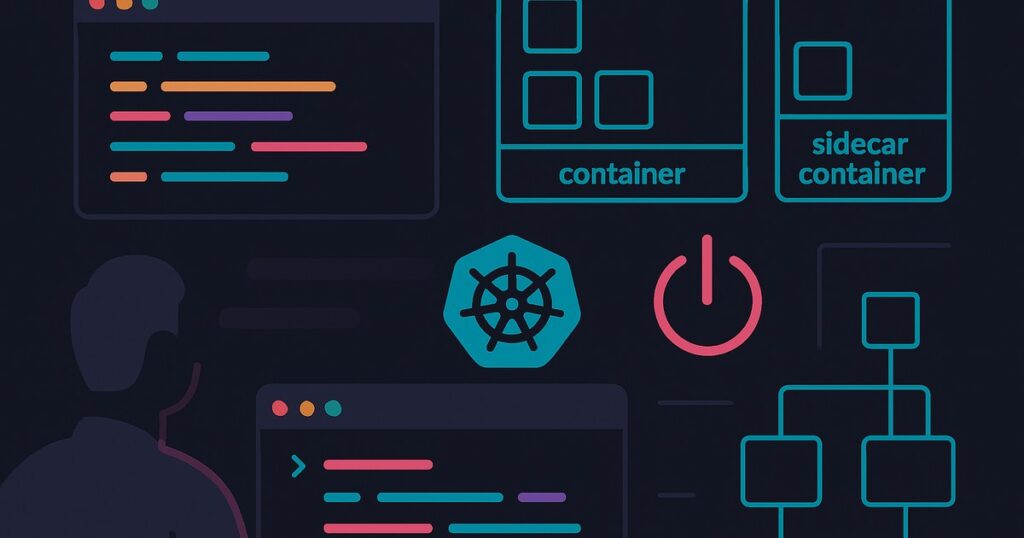
In a significant advancement for the Kubernetes ecosystem, version 1.32 has just been released, marking a pivotal moment for developers and operators alike. This release graduates sidecar containers to General Availability (GA), finally offering a stable lifecycle model that ensures containers start and stop in a predictable order. Accompanying this is the introduction of a new declarative node shutdown API, enabling more precise control over node shutdown processes. These updates are expected to streamline Kubernetes operations, reduce reliance on third-party tools, and improve maintenance workflows. With major cloud providers like Google Kubernetes Engine (GKE), Amazon Elastic Kubernetes Service (EKS), and Azure Kubernetes Service (AKS) committed to deploying this version within 30 days, the industry is poised for rapid adoption. This article will delve into the details of these new features, exploring what they mean for the future of Kubernetes management and operations.
Context
Kubernetes, the open-source container orchestration platform, has become the backbone of modern microservices architecture. Since its inception by Google in 2014, Kubernetes has been on a relentless trajectory of updates, each aimed at solving the complex challenges of container management. The platform’s ability to automate deployment, scaling, and operations of application containers has made it indispensable for developers and operators looking to maximize application uptime and resource efficiency. With the release of Kubernetes 1.32, the platform continues its commitment to addressing real-world operational challenges that developers face daily.
The idea for sidecar containers isn’t new, but their journey to General Availability has been a methodical process. Initially introduced as an experimental feature, sidecar containers allow auxiliary tasks to run alongside primary application containers. This design promotes modular architecture and enhances the flexibility of applications. Over the past few releases, extensive feedback from the community and robust testing have refined this feature, culminating in its maturation to GA status in version 1.32.
The other prominent addition, the declarative node shutdown API, is part of Kubernetes’ broader goal to offer more granular control over cluster operations. Until now, infrastructure maintenance often involved third-party tools and ad-hoc scripts to manage node shutdowns safely. As Kubernetes continues to evolve, these new capabilities reflect a strategic shift towards more integrated solutions that simplify cluster management while maintaining high levels of reliability and performance.
What Happened
The release of Kubernetes 1.32 on April 16, 2026, marks the fruition of significant efforts by the Kubernetes Special Interest Groups (SIGs) responsible for these features. Sidecar containers, which have been under development since their inception in Kubernetes 1.28, now boast a fully stable lifecycle model. This model ensures that sidecar containers are initiated before the main application container starts and shut down only after the main container has completed its lifecycle. This predictable sequence is crucial for maintaining application stability and performance, especially in complex microservices environments.
The declarative node shutdown API addresses a long-standing challenge in Kubernetes operations: safe and efficient node maintenance. This API allows operators to declare shutdown windows for specific node pools, during which Kubernetes can automatically drain and reschedule pods. This capability reduces the risk of downtime and data loss during maintenance activities, as it eliminates the need for manual intervention or third-party tools. Both Datadog and New Relic, leading providers of observability solutions, have confirmed immediate support for monitoring and managing these new features, ensuring that operators can leverage them effectively from day one.
Cloud providers have been quick to embrace these enhancements. Google Kubernetes Engine (GKE), Amazon Elastic Kubernetes Service (EKS), and Azure Kubernetes Service (AKS) have all committed to rolling out Kubernetes 1.32 within 30 days of its release. This rapid adoption underscores the significance of these updates, as well as the ongoing collaboration between the Kubernetes community and major cloud vendors. Such collaboration is essential for maintaining the momentum and relevance of Kubernetes in a rapidly changing technological landscape.
Why It Matters
The advancements in Kubernetes 1.32 are set to have far-reaching implications across the DevOps landscape. For developers, the stability and predictability introduced by GA sidecar containers simplify the integration of auxiliary processes like logging, monitoring, and security within their applications. This integration reduces the complexity of application deployments and ensures consistent behavior across environments, which is critical for maintaining application integrity and reliability.
From an operational standpoint, the declarative node shutdown API represents a major leap forward in maintenance efficiency and reliability. By allowing operators to specify shutdown windows, Kubernetes can proactively manage pod rescheduling, minimizing service disruption and improving the overall health of the cluster. This level of automation not only reduces operational overhead but also enhances the resilience of Kubernetes environments, making them more robust against planned and unplanned outages.
Moreover, these enhancements align with broader industry trends towards infrastructure as code and declarative management practices. By embedding these capabilities directly into Kubernetes, operators can further streamline their workflows and reduce dependency on external tools. This shift is expected to lead to faster iteration cycles, improved resource utilization, and ultimately, more reliable applications. As organizations continue to scale their Kubernetes deployments, these features will be instrumental in maintaining operational excellence.
How We Approached This
In crafting this article, we leveraged an array of sources, from official Kubernetes release notes to statements from key industry players such as Datadog and New Relic. Our approach was to provide a holistic view that captures both the technical specifics and the broader implications of these new features. We focused on the aspects most likely to impact developers and operators, emphasizing the practical benefits and challenges that these features address.
DevOps Daily prides itself on delivering precise and opinionated analyses tailored for our audience of developers and IT professionals. We chose to prioritize the operational improvements introduced in this release, as they represent significant advancements in Kubernetes’ ability to manage complex, real-world environments. By avoiding excessive technical jargon and focusing on tangible outcomes, we aim to equip our readers with the insights needed to make informed decisions about their Kubernetes strategies.
Frequently Asked Questions
What are sidecar containers, and why do they matter?
Sidecar containers are auxiliary containers that run alongside the main application container within a pod. They perform complementary functions such as logging, monitoring, or proxying requests, enhancing the modularity and flexibility of applications. With Kubernetes 1.32, sidecars are now GA, ensuring a stable lifecycle that improves application reliability and operational consistency.
How does the declarative node shutdown API benefit operators?
The declarative node shutdown API allows operators to specify maintenance windows for node pools, enabling Kubernetes to handle pod draining and rescheduling automatically. This reduces manual interventions and minimizes the risk of service disruption during maintenance, enhancing overall cluster reliability and simplifying operational workflows.
Which cloud providers are supporting Kubernetes 1.32?
Major cloud providers like Google Kubernetes Engine (GKE), Amazon Elastic Kubernetes Service (EKS), and Azure Kubernetes Service (AKS) have pledged to deploy Kubernetes 1.32 within 30 days of its release. This ensures that users on these platforms can quickly take advantage of the new features, fostering rapid adoption and integration into existing Kubernetes environments.
As Kubernetes continues to evolve, the release of version 1.32 underscores the platform’s commitment to meeting the ever-changing needs of the DevOps community. The introduction of GA sidecar containers and the declarative node shutdown API highlights a strategic focus on enhancing operational efficiency and application reliability. As these features gain traction, they are expected to redefine best practices in Kubernetes management. Moving forward, developers and operators can anticipate a future where Kubernetes offers even greater flexibility and control, further solidifying its position as the leading platform for container orchestration.