

Amazon Web Services (AWS) has announced the general availability of AWS Interconnect, a groundbreaking service that is poised to transform multicloud networking. This long-awaited service provides a native, AWS-managed private connection between AWS and other major hyperscalers, starting with Google Cloud as the inaugural partner. Historically, multicloud networking has relied on third-party services or intricate do-it-yourself VPN solutions, both of which have struggled to scale effectively for production-grade multicloud architectures. AWS Interconnect changes this landscape by offering a streamlined, managed service with a straightforward pricing model. With the launch of AWS Interconnect, AWS is signaling a major shift in its cloud strategy, embracing the realities of multicloud environments and presenting itself as the central hub for connectivity, particularly for large enterprises that view multicloud as a strategic necessity for risk management and procurement leverage.
Context
For years, the idea of seamless multicloud networking has been more of a challenge than a reality. DevOps teams have often found themselves juggling a patchwork of third-party solutions like Equinix Fabric, Megaport, and PacketFabric to bridge their cloud environments. These solutions, although effective in certain scenarios, have not always scaled well or provided the seamless integration needed for modern, agile IT environments. Typically, these third-party services add layers of complexity, both in terms of management and cost, requiring significant expertise to deploy and maintain effectively.
In recent years, the demand for multicloud solutions has surged, driven by enterprises seeking to avoid vendor lock-in, enhance their disaster recovery capabilities, and optimize their cloud spend across different providers. However, AWS’s strategy had predominantly been ‘all-in on AWS’, treating multicloud as a customer-driven necessity rather than a targeted offering. This approach began to shift in 2025, as AWS recognized the growing importance of multicloud strategies for its largest customers. Enterprises are increasingly leveraging multiple cloud providers not just for redundancy, but for specific capabilities and price advantages that different hyperscalers offer.
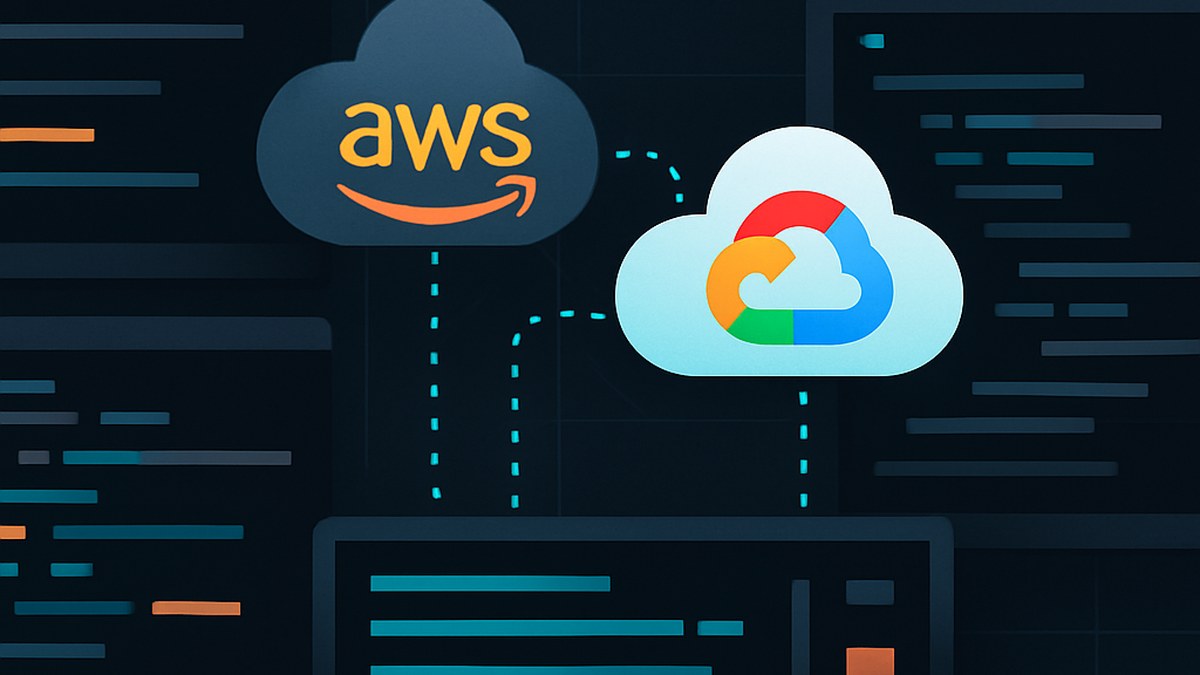
The introduction of AWS Interconnect is a direct response to these market dynamics. By providing a native solution that simplifies cross-cloud connectivity, AWS aims to become the preferred platform through which enterprises manage their multicloud environments. This strategic pivot comes at a time when multicloud adoption is no longer a trend, but a standard practice among global enterprises, particularly those with complex IT needs and substantial regulatory requirements. Google Cloud is the first partner in this endeavor, with plans to include Microsoft Azure and Oracle Cloud Infrastructure later in the year, underscoring AWS’s commitment to becoming a key player in the multicloud arena.
What Happened
This week, AWS announced the general availability of AWS Interconnect, marking a significant milestone in the evolution of its cloud services. AWS Interconnect provides a native, managed service allowing customers to establish private, high-speed connections between AWS and Google Cloud, with future integration planned for other major hyperscalers such as Microsoft Azure and Oracle Cloud Infrastructure. This service leverages AWS’s existing Direct Connect infrastructure, utilizing AWS-owned dark fiber to ensure high-speed connectivity with sub-2 ms latency for in-metro connections.
The pricing model for AWS Interconnect is designed to be straightforward and transparent, with charges based on bandwidth and region. Customers pay per Gbps connected and per geographical scope, eliminating the traditional per-cross-region surcharge for hyperscaler-to-hyperscaler traffic. This pricing structure is aimed at making it easier for enterprises to budget and scale their multicloud strategies without the financial unpredictability often associated with cross-cloud connectivity.

AWS Interconnect launches with initial deployment in key peering metros such as Ashburn, Dallas, Frankfurt, Tokyo, and Singapore, areas that are critical hubs for global internet traffic and cloud connectivity. The decision to start with these locations reflects AWS’s strategic focus on serving the largest and most complex enterprise clients, providing them with the infrastructure needed to support their multicloud networking needs. AWS’s move to partner first with Google Cloud indicates a strategic choice to cater to customers who require interoperability between these two major platforms, which together host a substantial portion of enterprise workloads globally.
Why It Matters
The launch of AWS Interconnect is more than just a new product announcement; it signifies a paradigm shift in how cloud providers approach multicloud networking. By offering a native solution, AWS acknowledges the strategic importance of multicloud environments for large enterprises. This move can potentially redefine how businesses approach cloud vendor relationships, focusing more on connectivity and less on lock-in. For DevOps teams, this simplification means reduced complexity in managing multicloud deployments, often a thorny challenge that involves intricate configuration and management.
Moreover, AWS Interconnect may spur innovation across the cloud industry, pressuring other providers to enhance their multicloud offerings. As AWS consolidates its position through this native service, competitors must respond, likely leading to further advancements and innovations in cloud interoperability and services. This could result in a more dynamic and flexible cloud market, where customers benefit from improved service offerings and competitive pricing.
From a technical perspective, AWS Interconnect’s seamless integration with other hyperscalers through dedicated infrastructure offers new possibilities for optimizing application performance and cost-efficiency. Organizations can strategically distribute their workloads across clouds to leverage the strengths of each platform, whether it’s Google’s AI capabilities or AWS’s robust infrastructure. This strategic flexibility not only enhances operational efficiency but also provides a competitive edge in rapidly evolving digital markets.
How We Approached This
Our editorial team approached this article by closely examining AWS’s official announcements and technical documentation related to AWS Interconnect. We analyzed market trends and enterprise cloud strategies, focusing on the shift towards multicloud solutions and the challenges enterprises face with existing solutions. Our goal was to provide readers with a comprehensive understanding of AWS Interconnect’s implications while highlighting its technical and strategic importance.
We prioritized insights that would resonate with our developer-focused audience, emphasizing the practical impact on DevOps and cloud management. We chose to focus on the simplification of multicloud deployments and the strategic shift within AWS, rather than delving into the competitive dynamics among hyperscalers. This approach ensures that readers gain a clear, actionable understanding of how AWS Interconnect can transform their cloud strategies.
Frequently Asked Questions
What is AWS Interconnect?
AWS Interconnect is a managed service by Amazon Web Services that enables private, high-speed connectivity between AWS and other major hyperscalers, starting with Google Cloud. It leverages AWS’s existing Direct Connect infrastructure and offers a simplified pricing model based on bandwidth and region, without additional cross-region surcharges.
How does AWS Interconnect impact multicloud strategies?
AWS Interconnect simplifies multicloud strategies by providing a native solution for cross-cloud connectivity, reducing complexity and management overhead. It allows enterprises to leverage the strengths of different cloud providers, optimizing performance and cost-efficiency, and facilitating a more flexible approach to cloud vendor relationships.
Which regions and partners are initially supported by AWS Interconnect?
AWS Interconnect initially supports major peering metros, including Ashburn, Dallas, Frankfurt, Tokyo, and Singapore, with Google Cloud as the first partner. AWS plans to expand support to additional hyperscalers like Microsoft Azure and Oracle Cloud Infrastructure later in 2026, broadening the service’s reach and impact.
As AWS Interconnect moves beyond its initial launch phase, its impact on the cloud ecosystem is expected to deepen. Enterprises will likely evaluate how this service can be integrated into their existing cloud strategies, particularly as more hyperscaler partners come online. The innovation introduced by AWS Interconnect will likely catalyze further advancements in multicloud solutions, driving both the industry and enterprise IT forward. For developers and IT professionals, the key takeaway is clear: AWS Interconnect not only simplifies the technical challenges of multicloud networking but also redefines the strategic calculus of cloud provider selection and integration.